Ransomware, Data Privacy and Cloud Risks: What Businesses Need to Watch

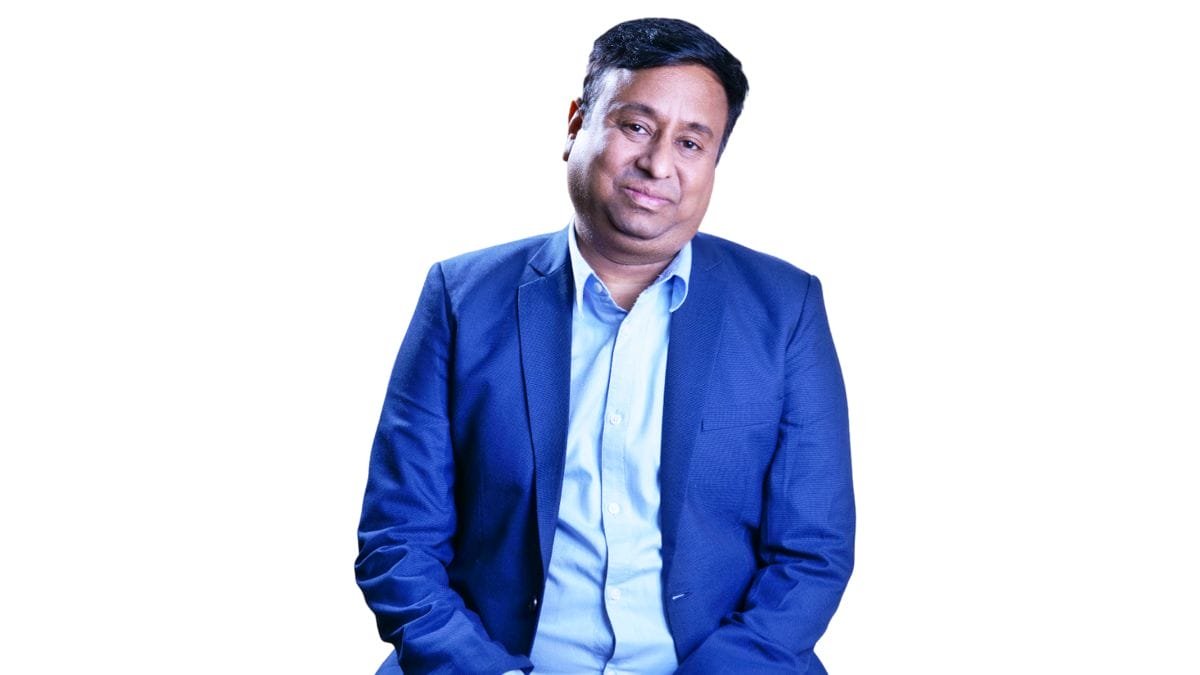
New Delhi: Cybersecurity is no longer limited to an organisation’s IT department. For businesses, it has become a question of continuity, trust and survival, says Zakir Hussain Rangwala, CEO of BD Software Distribution.
In an interaction with Hello Entrepreneurs, Rangwala identified ransomware, data privacy and supply-chain risks as some of the major cybersecurity concerns facing businesses. He also pointed to growing conversations around the Digital Personal Data Protection (DPDP) Act, which have brought data privacy further into focus.
“The pandemic broke the traditional network perimeter,”
Rangwala said, explaining how remote work changed the way organisations secure their systems. With employees accessing networks from different locations and devices, stolen credentials have become a serious concern. He said identity is now the new perimeter, making Zero Trust an important approach to security.
Cloud adoption has also changed how businesses need to think about protection. Rangwala said cloud providers are responsible for securing their infrastructure, while organisations remain responsible for their data, configurations, access and applications. A misconfigured public storage bucket, for instance, can expose sensitive information even when the underlying cloud infrastructure is secure.
He said larger enterprises are generally more aware of cybersecurity risks and have access to more tools. However, mid-sized businesses have often adopted cloud services faster than they have developed the security knowledge needed to manage them. API security is another area where gaps can emerge.
Rangwala also stressed that technology alone cannot address the risks. Phishing, reused passwords and the sharing of credentials over messaging platforms can leave organisations vulnerable. He said attackers are increasingly using convincing, localised scams, while many businesses still lack clear incident-response plans.
For smaller businesses, cybersecurity can be a difficult budget decision. Rangwala said companies need to view security through its business impact rather than as a routine IT expense. Basic measures such as endpoint protection, regular backups, email security and multi-factor authentication can help MSMEs reduce their exposure. He warned that a single incident can threaten the survival of a small business, which may also be targeted by automated attacks.
“The skills gap is greater than the technology gap,”
angwala said. In his view, organisations often have access to security tools but lack the expertise to configure and use them effectively. He called for stronger industry-academia partnerships and greater access to managed security services.
<p>The post Ransomware, Data Privacy and Cloud Risks: What Businesses Need to Watch first appeared on Hello Entrepreneurs.</p>